
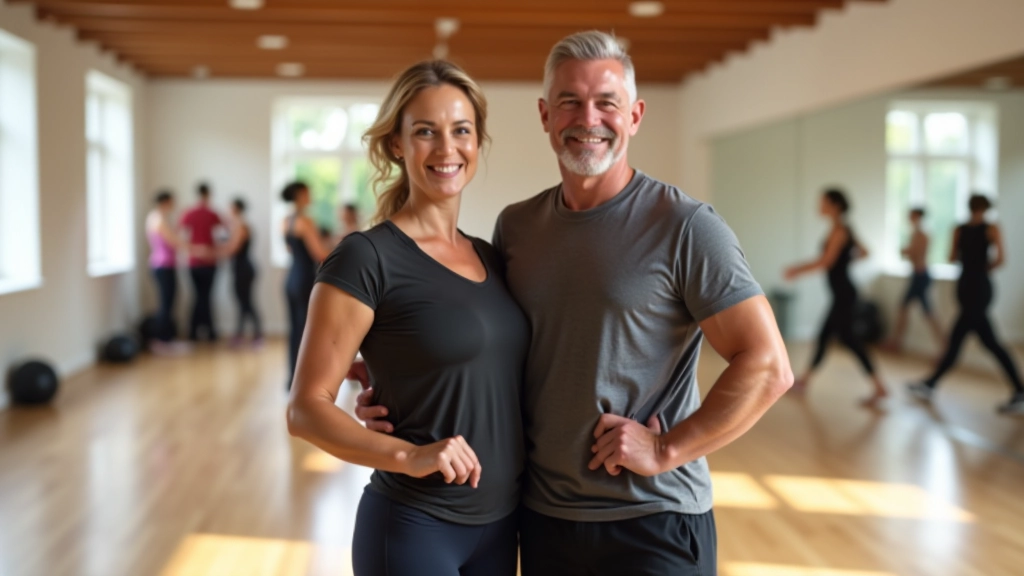
Dublin's salsa scene isn't what it was ten years ago. It's bigger, more welcoming, and honestly, it's everywhere now. Whether you're looking for a casual Thursday night out or serious lessons, you'll find your people. We've mapped out the real venues, the instructors who actually care about beginners, and what you'll actually experience when you walk in.
The city's changed. What started as a niche thing in a few nightclubs has grown into something genuinely vibrant. You've got beginners dancing next to people who've been doing this for decades. The music's live, the energy's real, and nobody's judging anyone's footwork.
Where to Start: The Main Venues
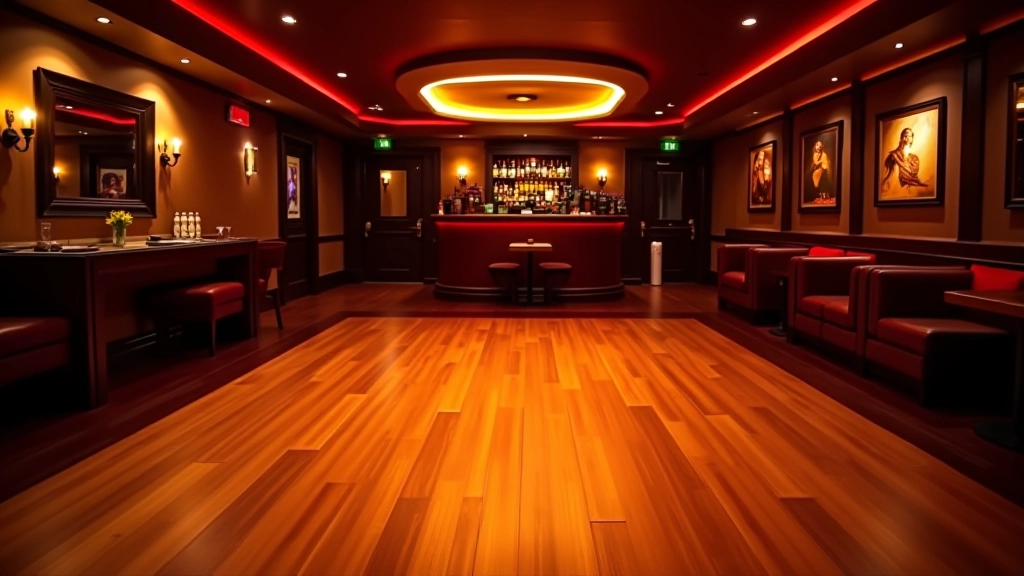
There's no shortage of places to dance in Dublin. The Temple Bar area's got the obvious tourist spots, but you'll want to look beyond that. Places like The Tannery in Temple Bar run beginner lessons from 7 to 8 PM most weeknights, then open the floor for social dancing after. It's crowded, sure, but the energy pulls you in.
South of the river, you've got venues in Ranelagh and Rathmines that are quieter but just as good. The people here tend to be more serious about the dancing itself. Less showing off, more actual technique. If you're coming from another city or country, these spots feel less touristy and more like a real community.
Quick tip:
Call ahead before you go. Lesson times change with the seasons and sometimes venues shift things around without updating their websites. A quick phone call saves you a wasted trip.
What Lessons Actually Look Like
Here's what to expect. You'll arrive, there's maybe 15 to 30 people in the room depending on the night. The instructor starts with basic rhythm work — just stepping to the beat, nothing fancy. Then you'll learn the fundamental step. That's the building block. It's a 1-2-3, pause, 5-6-7, pause pattern. Sounds simple. Takes most people three or four sessions to feel it naturally.
After the basic step comes partner work. This is where it gets real. You're nervous about it. Everyone is. But the instructors pair beginners together deliberately. They're not throwing you in with someone who's been dancing for five years. By week two or three, you'll feel a difference in how the steps flow.
Most Dublin classes run 60 to 90 minutes. You'll sweat. Your feet might hurt a bit if you're not used to the shoes. That's normal. Come back the next week and it gets easier.
The Music: Why It Matters
You can't dance salsa without understanding the music. It's got a specific beat structure. Most salsa is built on a 4/4 time signature with a strong emphasis on the clave — a rhythmic pattern that sits underneath everything. When you're learning, the instructor will count "1-2-3, pause, 5-6-7, pause." That pause on 4 and 8? That's the clave. It's what holds the whole thing together.
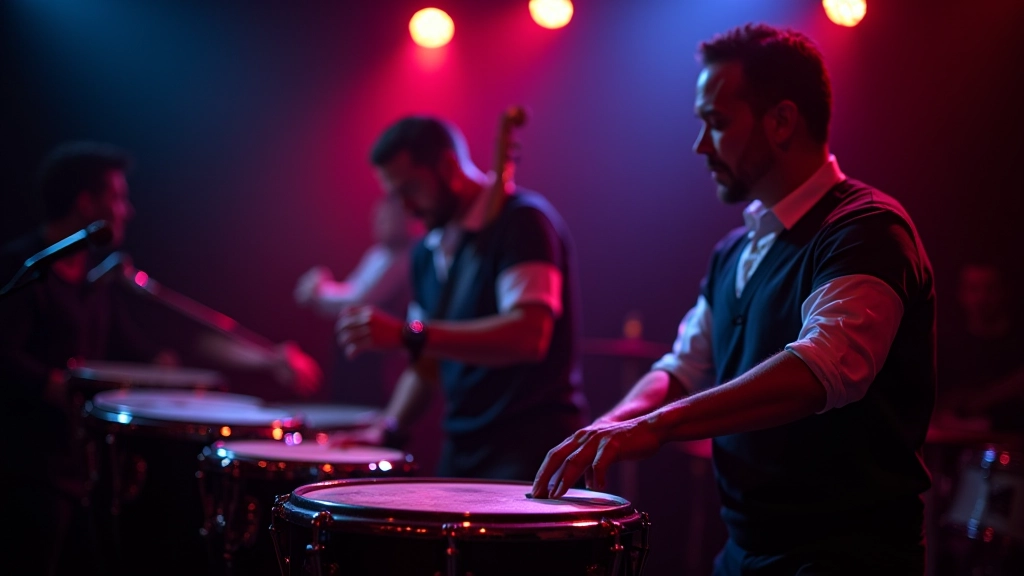
Dublin venues vary in their music quality. The tourist spots in Temple Bar play pre-recorded tracks. Fine for learning, but there's something different about live music. When there's a band — even a small one with just percussion and a bass player — the energy shifts. You can feel the musicians responding to the dancers. It's a conversation.
Finding Your People
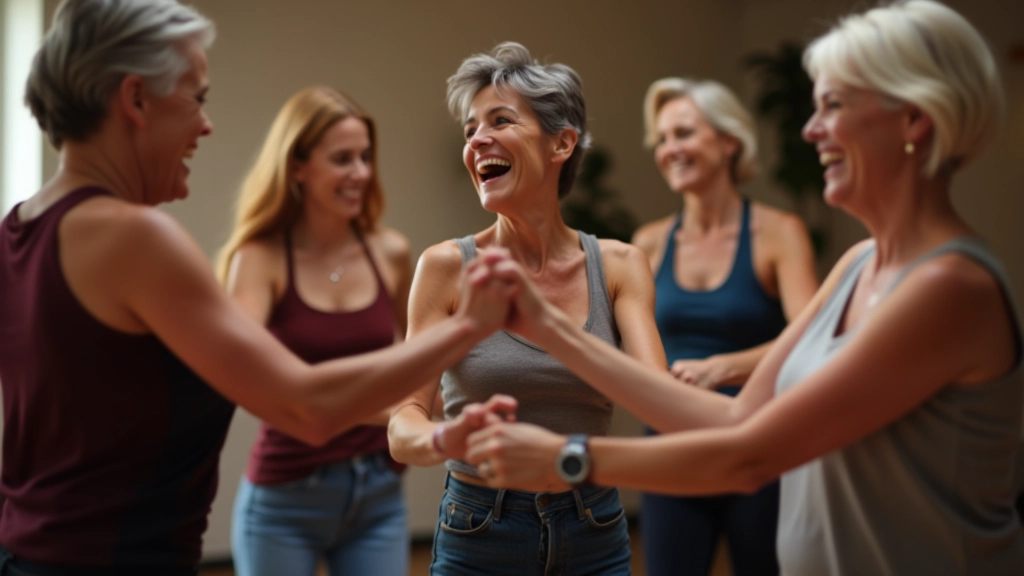
This is the real thing. You're not just learning steps. You're joining a community. The same faces show up week after week. There's regulars who know each other, and they're genuinely welcoming to newcomers. It's not cliquey, though you'll definitely notice groups that have been dancing together for years.
After class, people hang around. They grab coffee, they chat. Some venues have a bar area where you can sit and watch others dance. That's actually valuable. You'll learn by watching. You'll see what good technique looks like. You'll notice how experienced dancers move their hips differently, how their footwork is cleaner, how they lead with their whole body, not just their hands.
Dublin's got a strong over-45 dance community. There's people in their 50s, 60s, even 70s dancing multiple nights a week. They didn't start when they were young. They picked it up later in life. That matters. It means you're not the oldest person in the room, and it means progress doesn't have an age limit.
Practical Tips Before You Go
Get Proper Shoes
You don't need expensive ones. But regular trainers won't work. Salsa shoes have a smooth sole so you can pivot. Most dance shops in Dublin have affordable options. Budget 40-60 euros for decent beginner shoes.
Bring Water
You'll sweat more than you think. A full hour of dancing is a real workout. Venues usually have fountains, but bring a bottle anyway. Stay hydrated throughout the class.
Talk to People
Ask questions during breaks. Ask other dancers about their journey. Ask the instructor about your technique. The community thrives on conversation. Don't sit quietly on the sidelines.
Come Consistently
One lesson won't stick. You need at least 4-6 weeks to feel real progress. Pick a night and commit. Tuesday or Thursday works best because venues don't change their schedules as much.
Listen to Salsa at Home
Familiarize yourself with the beat before you arrive. Listen to classic salsa — Celia Cruz, Tito Puente, Willie Colón. Understanding the music helps your body understand the rhythm faster.
Start with Basics
Don't try fancy moves in week one. Master the basic step. Everything else builds from there. Patience now means smoother progress later. The temptation to rush is real, but resist it.
Important Note
This guide provides educational information about salsa dancing venues and lessons in Dublin. Specific venue details, class times, and instructor information may change seasonally. We recommend contacting venues directly before your first visit to confirm current schedules. If you have any physical health concerns, consult with a healthcare professional before starting a new dance practice. Dance at your own pace and listen to your body.
Taking the First Step
Dublin's salsa scene is ready for you. Pick a venue, show up on a Thursday or Tuesday evening, and just watch the first time if you're nervous. There's no judgment. Everyone's there for the same reason — they love the music and they want to move.
You'll probably be terrible at first. Your feet won't know where to go. Your arms will feel weird. That's fine. That's everyone. By week four, you'll feel the rhythm in your bones. By week eight, you'll recognize faces. By week twelve, you'll be teaching someone else the basic step.
The community's waiting. The music's playing. It's time to dance.