

More Than Just Steps
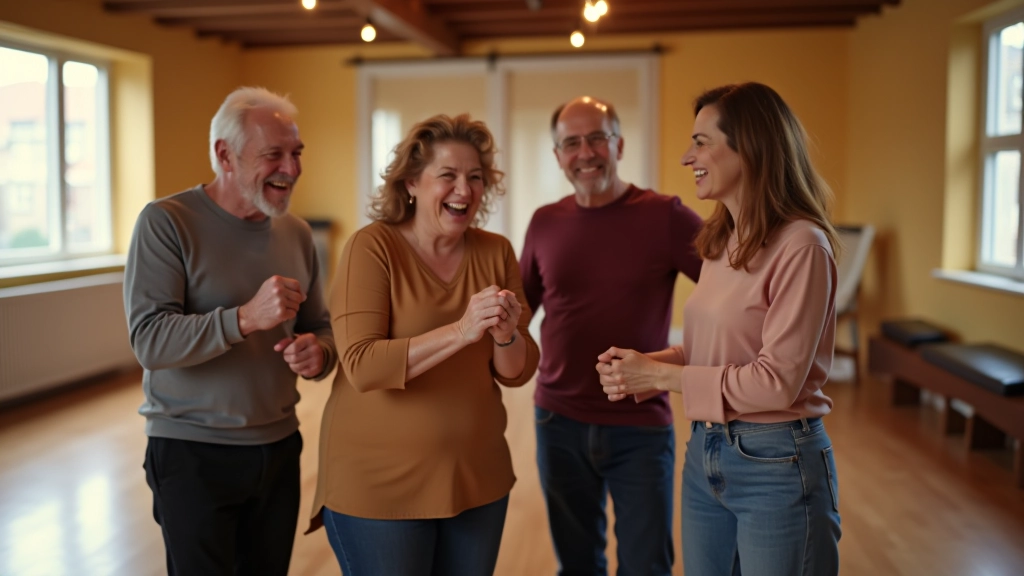
Limerick's social dance scene has grown quietly over the past few years. It's not about perfection or winning competitions — it's about showing up, moving to music you love, and finding your people. We're talking about Thursday nights in community centers, Saturday afternoons in small studios, and groups of folks aged 45+ who decided that life's too short to sit on the sidelines.
These aren't formal classes where you're graded or judged. They're gatherings. Real conversations happen before the music starts. Friendships form over shared confusion about a new move. And honestly? That's where the real magic happens.
What Actually Happens at a Limerick Meetup
Most meetups run for about two hours. Here's the typical flow: people arrive 10-15 minutes early, chat, grab water, settle into the vibe. Then the music starts — usually a mix of bachata and salsa, occasionally merengue or reggaeton if the group's in the mood.
There's usually a quick refresher (maybe 20 minutes) on a specific move or technique. But it's not rigid. You'll see some folks sitting out, watching and learning. Others jump in immediately. The instructors — and yes, there are always experienced dancers leading the sessions — they're patient. They don't expect everyone to nail it on the first try.
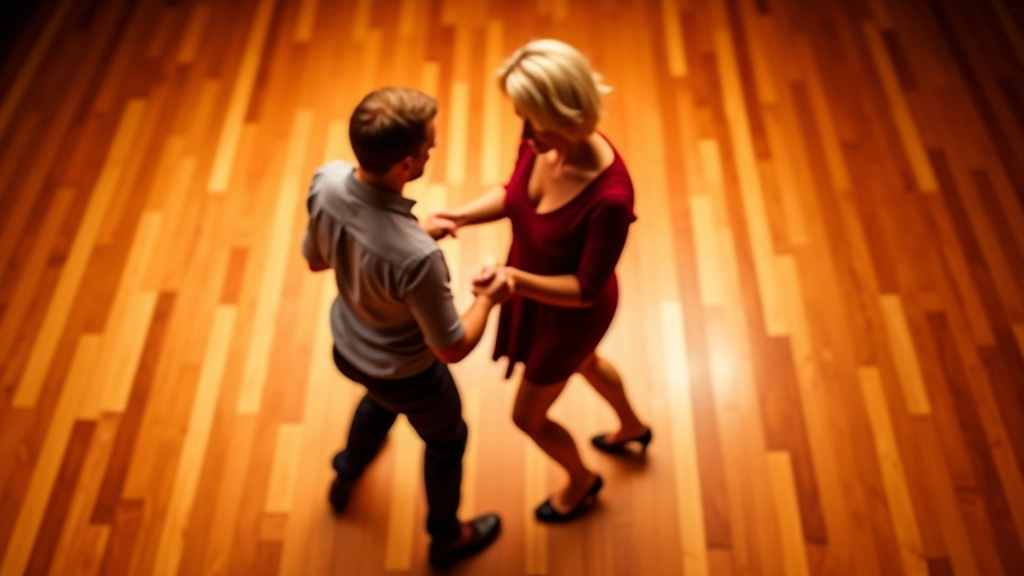
Then comes the social dancing. This is where you actually get to practice everything in a real context. Partners rotate, music changes, and you're learning by doing. The atmosphere's supportive. If someone messes up a step, nobody's watching to judge — everyone's focused on their own feet anyway.
The People You'll Actually Meet
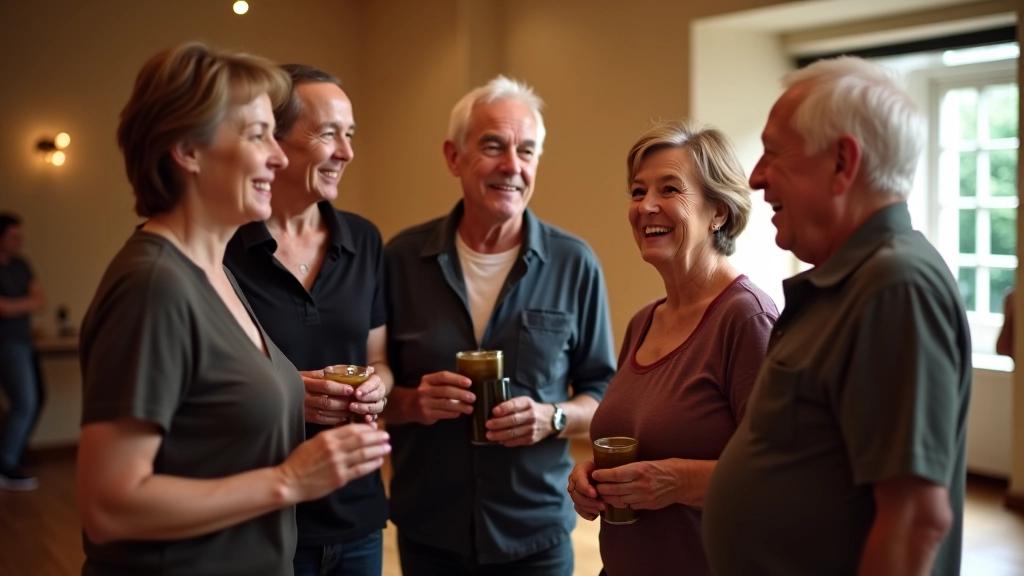
This is the thing nobody talks about enough. The community is genuinely diverse. You've got retired teachers, small business owners, healthcare workers, people who left careers to travel, folks who've never danced before in their lives. Different backgrounds, different stories, same love for music and movement.
Most people come alone. Some bring a friend. Occasionally you'll see couples who've danced together for years. But here's what's cool: it doesn't matter. The rotating partner system means you'll dance with everyone. And that forces you to be comfortable with different heights, different styles, different comfort levels.
You'll meet someone who's been coming for three months. Someone who just showed up last week and is terrified. Someone who dances competitively in Dublin but comes here to relax. Someone who learned to dance at their parents' kitchen table in the Caribbean 40 years ago. That mix? That's what makes it work.
How to Actually Join (Without the Anxiety)
Find Your Group
Check Facebook groups for "Limerick Dance Meetups" or "Bachata Limerick." Ask at local dance studios. Word of mouth works too — tell someone you're interested and they'll probably know someone. Most groups meet Thursday or Saturday nights.
Show Up Early
Don't arrive right at start time. Come 15 minutes early. Chat with people. Ask questions. Get oriented. This kills most of the nervousness. You're not walking into silence — you're joining an already-happening conversation.
Tell Someone You're New
Seriously. Pull aside whoever seems to be organizing or ask someone standing near you. Say "This is my first time." They'll make sure you're included, explain the flow, introduce you around. Everyone remembers being new.
Dress Comfortably
You don't need special dance clothes. Wear something you can move in. Shoes with some grip — not slippers, not brand-new stiff shoes. You'll be fine in jeans and a t-shirt. Nobody's evaluating your outfit.
Go Multiple Times
First time? It's weird. You'll notice every mistake you make. Second time? You'll remember a face. Third time? You've got a person to dance with. By week four, you're part of it. Don't judge the experience on one visit.
Ask for Feedback
If someone dances well, ask them something. "How long have you been doing this?" or "What helped you get comfortable with leading/following?" People love sharing. You'll get real advice and make a connection.
Why This Matters Beyond the Dance Floor
Look, dancing is good for you. It's exercise, sure. Your balance improves, your coordination sharpens, you're using your brain to process rhythm and movement simultaneously. But that's not why people keep coming back.
They come back because they found something that was missing. Connection. Purpose. A reason to get out on a Thursday night that isn't obligatory. Something you do because you want to, not because you have to.
Social dancing — real, actual dancing with other humans — is about being present. You can't think about your work stress while you're focusing on your partner's movement. You can't worry about what you said in a meeting when you're concentrating on not stepping on someone's feet. For two hours, you're just there. Moving. Breathing. Connected.
And the community part? That's the bonus. You're building real relationships with people you might never have met otherwise. Friendships that exist outside the studio. Coffee dates. Group trips to bigger dance events. People who know your name and ask how your week went.
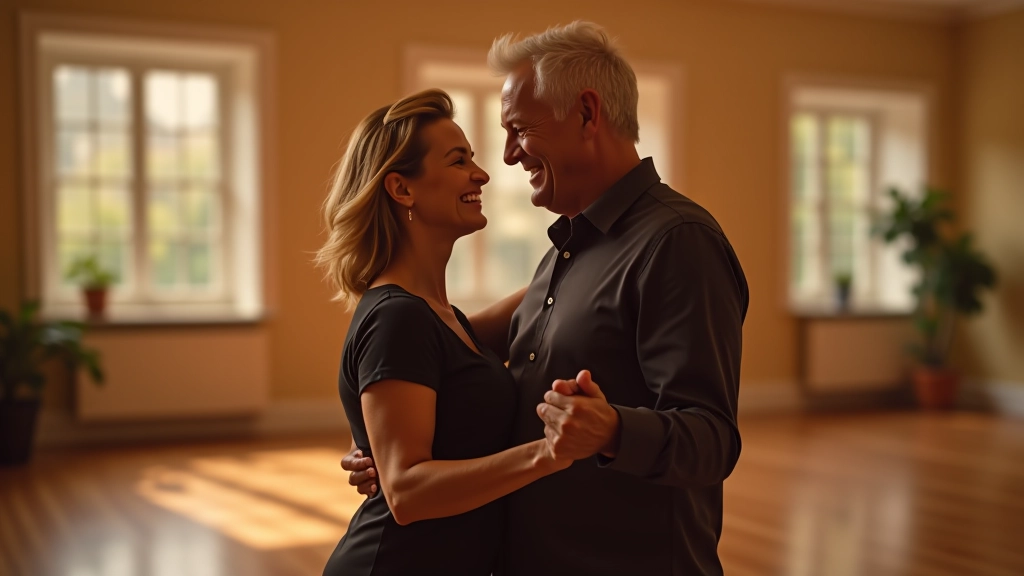
"Wasn't sure about it at first honestly. But after the summer sessions my confidence got way better and now I've actually made real friends. We don't just dance — we grab coffee, we go to bigger events in Dublin. It's changed how I spend my time."
— Mairead, 52, dancing for 8 months
Taking the First Step
The biggest barrier to joining a social meetup is just that — joining. The actual dancing? That's easier than you think. Your brain worries about all the things that could go wrong. Your body just wants to move to music.
Here's the honest truth: everyone at that first meetup will be focused on themselves. The woman worried about her timing? Thinking about her own feet. The guy who looks confident? Probably replaying his last mistake. Nobody's actually watching you mess up as carefully as you think they are.
Limerick's dance community is small enough to be personal, big enough to be welcoming. You'll find your rhythm. And once you do, you'll wonder why you waited so long to start.
A Note on Social Dancing
Social dancing is an activity that requires physical exertion. If you have any health concerns — joint issues, cardiovascular conditions, or any physical limitations — consult with a healthcare provider before starting. The information provided here is educational and meant to help you understand what social dance meetups are like. It's not a substitute for professional instruction or medical advice. Always listen to your body, take breaks when needed, and communicate with your dance partners about any physical concerns.
Your Next Move
If you've been thinking about it — if you've been curious about whether social dancing is for you — the answer is probably yes. Not because you're going to become an amazing dancer (though you might). But because you're going to find something you didn't know you were looking for.
Check out a Limerick meetup this week. Show up early. Talk to someone. Move a little. See how it feels. The worst that happens? You spend two hours with music and people. The best that happens? You find your community.