
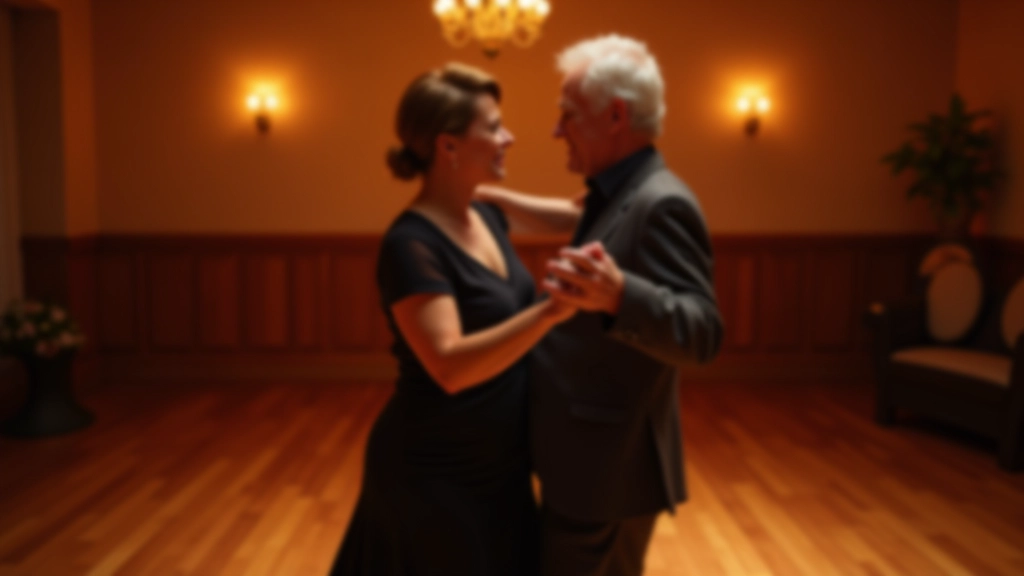
Getting Started with Bachata After 45
You don't need years of dance experience. We'll walk you through basic steps, musicality, and finding the right class in your area.
Bachata isn't just for young dancers. In fact, it's perfect if you're starting after 45. The rhythm is slower than salsa, the movements are more intimate, and honestly, you'll find some of the friendliest communities in your local dance studios.
Here's what makes it accessible: you're not competing. You're learning a skill that'll give you confidence, keep you moving, and connect you with people who actually get it. Most beginners feel awkward for maybe two classes. Then something clicks.
Why Now Is the Right Time
- Your body's natural rhythm is actually better suited to bachata
- You've got life experience—you understand music differently
- Classes for older beginners are growing in every major city
- The music itself is designed for connection, not showiness
The Basic Step: It's Simpler Than You Think
Bachata has one foundational pattern. It's called the basic box, and it takes about 15 minutes to understand. That's not an exaggeration.
You're stepping side-to-side with a slight hip movement. The rhythm is 1-2-3 (pause) 5-6-7 (pause). The music counts in eights, so you're skipping beat 4 and beat 8. It's actually incredibly forgiving.
Most instructors will have you moving to music by the end of your first class. Not perfectly, but moving. That matters psychologically—you'll feel like a dancer, not like someone struggling with their feet.
Understanding the Music Matters
This is where bachata becomes genuinely beautiful. The music tells a story—usually about love, loss, or longing. It's not happy party music. It's soulful.
You'll hear a guitar intro, a steady beat, and vocals that sound like someone's sharing something real. That emotional quality? It changes how you move. Your body naturally softens. You're not thinking about your feet anymore—you're thinking about the feeling.
Instructors who are worth their time will teach you to listen. They'll point out where the music changes tempo slightly, where a guitar riff drops, where the percussion shifts. You'll start hearing these things without being told.
This is also why bachata works so well for older beginners. You've listened to thousands of songs in your life. Your ear already knows rhythm. You're not learning rhythm—you're just applying what you already know.
What to Expect in Your First Class
Walk in with zero expectations. Seriously. The best classes are the ones where nobody's showing off.
Arrival & Warm-up (10 minutes)
You'll arrive, maybe feel nervous, and then the instructor will start with stretching. Nothing intense. Just getting your body ready to move. You'll meet a few people. Chat a bit. Realize everyone else is nervous too.
Basic Steps Without a Partner (15 minutes)
You'll learn the footwork solo first. The instructor will count out loud. You'll mess up. So will everyone else. It's actually funny—people laugh. The atmosphere's relaxed.
Partner Work (20 minutes)
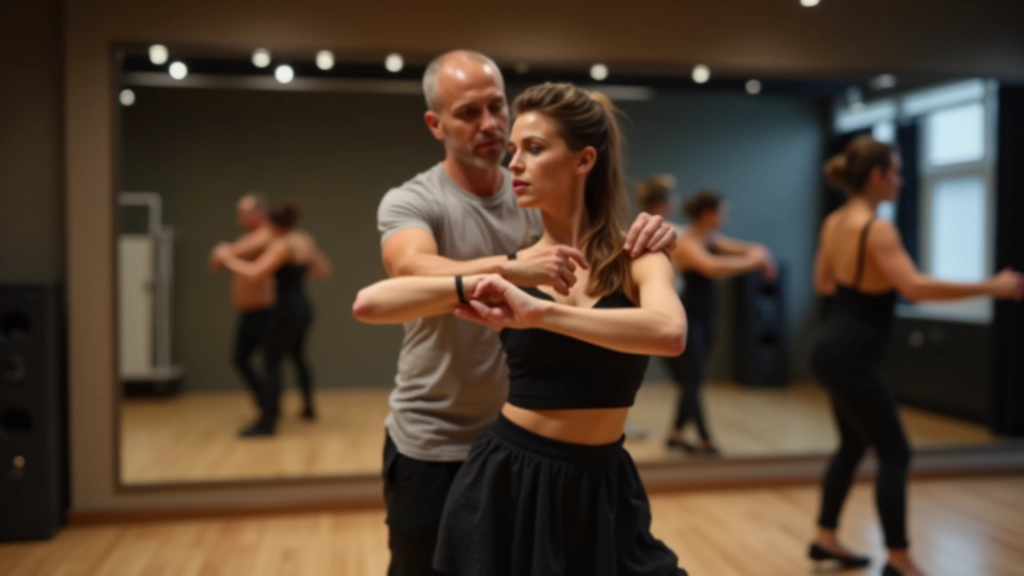
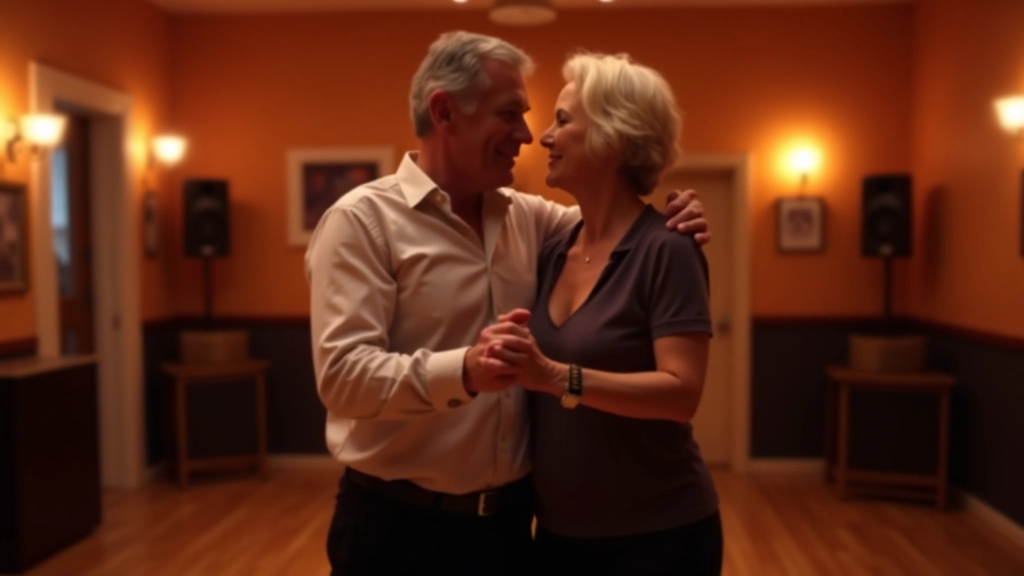
Partners get assigned. Don't panic. Your partner's probably just as new as you are. The instructor will teach you how to hold hands, where to position your arms, how to lead or follow. It's mechanical at first, then it becomes natural.
Music & Movement Together (15 minutes)
Now you'll dance to actual bachata music. It won't be smooth. You might forget the steps. That's normal. By the end, you'll have danced to at least two full songs. That's progress.
Cool Down & Social (10 minutes)
You'll stretch out, chat with classmates, maybe exchange numbers. Some people stick around to dance socially. Some head home. Both are fine.
Practical Tips for Your First Month
Wear Proper Shoes
You don't need expensive dance shoes right away. Soft-soled shoes with a smooth bottom work fine. Avoid trainers—they'll stick to the floor and twist your ankle.
Commit to Three Classes
First class is confusing. Second class is less confusing. Third class is when your body starts remembering. Don't quit after one class.
Listen to Bachata Outside Class
Put on bachata playlists while you're cooking or driving. Your ear will pick up patterns your body will then recognize in class.
Go to Social Dances
After your first few classes, attend a beginner social. You'll see how people actually dance. It's less formal, more fun, and everyone's learning.
Stretch at Home
Your hips and ankles will be sore after your first class. That's fine. Gentle stretching between classes helps. Five minutes is enough.
Ask Questions
Good instructors want questions. If you don't understand the step, ask. If you're confused about the count, ask. Everyone's there to learn.
Important Disclaimer
This article is informational and educational in nature. It's designed to introduce bachata dance to beginners over 45. If you have any medical conditions, joint problems, or physical limitations, consult with your doctor before starting any new physical activity. Dance instructors are trained to help with movement basics, but they're not medical professionals. Always listen to your body and stop if you experience pain. Individual results and learning timelines vary. This content is based on common beginner experiences, not medical advice.
Ready to Start?
Bachata isn't complicated. It's not intimidating. It's actually one of the most welcoming dance styles you'll find. Your age isn't a limitation—it's an asset. You bring maturity, listening skills, and genuine interest to the dance floor.
Find a beginner class in your area. Show up. Move your feet to the rhythm. Connect with your partner. You'll be surprised how quickly it becomes natural. That first moment when the music clicks and your body just knows what to do? That's worth every slightly awkward first class.
And honestly, the community you'll find? That's the real reason to start. You're not just learning a dance. You're joining something that matters to people.
Explore More Dance Resources